






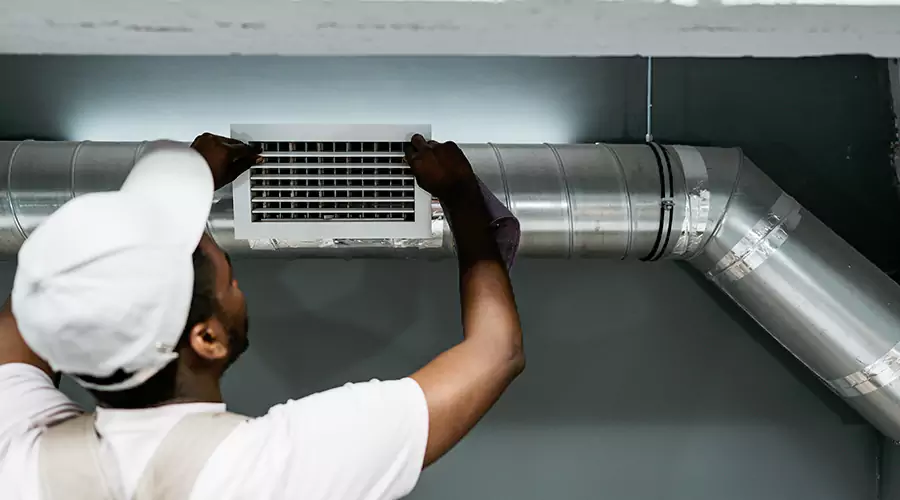
A musty smell coming from air vents can make your home feel uncomfortable, even when the temperature feels right. The odor may appear when the AC turns on, when the heat starts, or when air first begins moving through the duct system. Many homeowners describe it as damp, stale, moldy, or similar to wet cardboard.
A musty smell from air vents usually means moisture, dust, mold, mildew, or dirty HVAC components are present somewhere in the system. Sometimes the problem is inside the air ducts. Other times, it may come from the evaporator coil, drain pan, clogged condensate line, air filter, crawl space, attic, or return air pathway.
Understanding the most common causes can help you know when to clean the ducts, replacement ductwork, or schedule a full HVAC inspection.
Why Air Vents Can Smell Musty?
Your HVAC system moves air through the home. If that air passes through damp, dirty, or contaminated areas, the smell can spread into different rooms. Musty odors are often connected to moisture because mold and mildew need damp conditions to grow.
A musty vent smell should not be ignored, especially if it keeps returning after cleaning the room. Air fresheners may cover the smell for a short time, but they will not solve the source of the odor.
1. Moisture Inside the Air Ducts
Moisture inside ductwork is one of the most common causes of musty smells. Air ducts are supposed to stay dry. When moisture collects inside, dust and debris can become damp and start producing odor.
Moisture may enter ducts because of:
- Poor duct insulation
- Condensation on metal ducts
- High indoor humidity
- Leaky duct connections
- Water leaks near ductwork
- Damp crawl spaces or attics
- Poor HVAC drainage
If the duct system stays damp, odor can spread every time the HVAC system runs.
2. Mold or Mildew Growth
Mold or mildew may grow when moisture and organic material are present. Dust, pollen, pet dander, and debris can collect inside ducts or HVAC components. When this buildup becomes damp, mold or mildew may begin to develop.
Signs that mold or mildew may be involved include:
- Musty smell when AC turns on
- Dark spots around vents
- Odor that returns after cleaning
- Allergy like symptoms indoors
- Damp smell in certain rooms
- Visible growth near vent covers
If mold is suspected inside the duct system, professional inspection is important. Cleaning visible vent covers may not be enough if growth is deeper inside the system.
3. Dirty Air Ducts
Dust and debris can build up in air ducts over time. This buildup may include pet hair, pollen, lint, dirt, skin cells, and other particles. When the HVAC system runs, air passes through this buildup and may carry odors into the home.
Dirty ducts are more likely to smell musty if moisture is also present. Dry dust may not smell strong, but damp dust can create a stale odor.
Air duct cleaning may help if the ducts contain heavy dust, debris, or odor causing buildup.
4. Clogged Condensate Drain Line
Your air conditioning system removes moisture from indoor air. That moisture usually drains through a condensate line. If the drain line becomes clogged, water can back up into the drain pan or nearby HVAC components.
When water sits too long, it can create a musty smell. In some cases, the smell may enter the airflow and come out through the vents.
Signs of a clogged condensate drain may include:
- Musty odor near vents
- Water around the indoor HVAC unit
- AC shutting off unexpectedly
- Damp smell near the air handler
- Higher indoor humidity
- Visible drain pan water
A clogged drain line should be repaired quickly to prevent water damage, odor, and mold concerns.
5. Dirty Evaporator Coil
The evaporator coil helps cool the air in your HVAC system. Because this part handles moisture and condensation, it can collect dust and become dirty over time. When dust and moisture combine on the coil, musty odors may develop.
A dirty coil can also reduce cooling performance and airflow. If the smell is strongest when the AC runs, the coil may need inspection.
Professional HVAC maintenance can help clean the coil, check drainage, and reduce odor issues.
6. Dirty or Wet Air Filter
A dirty air filter can restrict airflow and collect dust, pet dander, and odor causing particles. If the filter becomes damp, it may produce a musty smell.
This can happen if the HVAC system has humidity problems, drainage issues, or poor airflow. A filter that is old, clogged, or low quality may also allow more particles into the duct system.
Replace filters regularly and make sure the filter fits properly. If the smell continues after changing the filter, the problem may be deeper in the system.
7. Leaky or Damaged Ductwork
Leaky ductwork can pull air from dirty or damp spaces. If ducts run through an attic, crawl space, basement, garage, or wall cavity, leaks may draw in musty air and spread it through the home.
This is especially common when ducts are loose, disconnected, cracked, poorly sealed, or damaged by pests.
Signs of leaky ducts include:
- Musty smell from vents
- Uneven room temperatures
- Weak airflow
- Dust around vents
- Higher energy bills
- Odors from attic or crawl space areas
If duct leaks are causing the smell, air duct repair or duct sealing may be needed along with cleaning.
8. Damp Crawl Space or Attic Air
Sometimes the odor does not start inside the ducts. It may come from a damp crawl space, attic, or basement near the duct system. If return ducts or leaky ducts pull air from these spaces, musty odors can enter the HVAC airflow.
This may happen when the home has poor ventilation, water intrusion, high humidity, or damaged insulation.
A professional inspection can help determine whether the odor is from the ducts or from the surrounding space.
9. Pest Activity in the Duct System
Pests can also create bad odors in ductwork. Rodents, insects, or nesting materials may cause musty, stale, or unpleasant smells. If pests enter through damaged ducts, they may leave droppings, hair, nesting debris, or other contamination.
Warning signs include:
- Odors from specific vents
- Scratching sounds near ducts
- Debris inside vent openings
- Droppings near registers
- Pest activity in attic or crawl space
If pests are involved, you may need pest control, duct cleaning, and duct repair.
What Should Homeowners Do?
Start by replacing the air filter, checking vent covers, and noting when the smell appears. If the odor happens only when the HVAC runs, the issue is likely connected to the ductwork or HVAC system.
Call a professional if the smell continues, gets stronger, appears with weak airflow, or comes with visible dust, moisture, mold signs, or pest activity.
Final Thoughts
Musty smells coming from air vents are often caused by moisture, mold, dirty ducts, clogged drain lines, dirty coils, wet filters, leaky ductwork, damp crawl spaces, or pest activity. The smell is usually a sign that something in or around the HVAC system needs attention.
Air fresheners will not fix the source. A professional air duct and HVAC inspection can help find the cause, remove odor causing buildup, repair duct problems, and improve the air moving through your home.